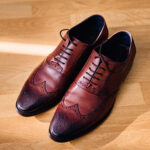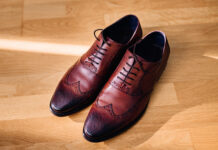


















Leather Shoes vs Synthetic Shoes: Which Last Longer?
A most common question people ask when buying shoes is “Which of the two, leather shoes or synthetic shoes, last longer?”
Synthetic shoes often seem like a more practical option for a lot of people out there because they’re quite cheaper and sometimes also marketed as durable and low maintenance. But leather shoes cost way more. They’re seen as a premium choice compared to synthetic ones.
Some people also try to judge the shoes by examining their appearance. But a shoe’s looks doesn’t define its durability. It instead depends on how the material responds to the shoes’ daily wear and repeated movement and also how well it absorbs moisture. Aging is another factor to consider.
We’ve compared leather and synthetic shoes in this article so you can choose the right ones for yourself.
What Leather Shoes Are Made Of and Why It Matters
Leather shoes are made from animal hides that have been treated through a tanning process which to improves their qualities like strength and flexibility. Through this process they also become more resistant to decay. High-quality leather maintains its natural fiber structure that allows it to bend and stretch without breaking.
The reason why leather matters is because it is a high-quality material. But there’s one quality that makes a big difference and that is the leather’s ability to change its shape, which happens gradually as you wear your leather shoes. They mold to your feet’s shape slowly. This molding prevents cracking and tearing because it reduces stress on pressure points and helps the shoe maintain its structure. Leather is also breathable, which means it allows moisture to escape and not get trapped in the shoe.
These are the reasons leather matters and is superior in quality. Shoes made of leather handle repeated use better than synthetic materials. And with basic care they’re able to keep their form and remain comfortable even after years of wear.
Understanding Synthetic Shoes and Their Construction
Synthetic shoes are made from human-made materials, like plastic-based leather substitutes and rubber compounds or other textile blends. These materials imitate the look of leather but and come at lower prices. They can look very leather-like.
Lightweight and water-resistant synthetic materials are also available but they lack the natural fiber structure of leather so they’re not very durable. Synthetic uppers rely on surface coatings that wear down after some time instead of bending naturally. The shoe’s durability drops quickly once these coatings finally peel.
Synthetic shoes are often not stitched. Their soles are glued together with the shoes, which further limits their lifespan. The glue weakens over time, more quickly so when you expose to heat or moisture and whener you flex the shoes. That’s why synthetic shoes can look fine at first but they degrade faster with regular use.
Durability Comparison: Leather Shoes vs Synthetic Shoes
Leather shoes easily outperform synthetic shoes in long-term use when we compare them in durability. Leather fibers are dense and interconnected. These allow the material to absorb stress without breaking. Synthetic materials in contrast fatigue faster under repeated movement.
Leather shoes can be repaired and maintained. Soles can be replaced, leather can be conditioned and surface wear can often be restored. Synthetic shoes rarely offer this flexibility; once the material cracks or the sole separates, repair is usually impractical.
In daily wear scenarios leather shoes are less likely to lose shape, while synthetic shoes often become stiff, brittle, or misshapen over time.
Comfort and Aging
Comfort plays a role in how long shoes actually last. Shoes that become uncomfortable are replaced early when compared the ones that remain comfortably wearable.
Leather ages gradually. It softens, develops character and adjusts to the foot’s movement. This aging process enhances comfort rather than reducing it. Synthetic shoes do not age in the same way; instead, they tend to harden, crease unnaturally, or develop surface damage that affects both comfort and appearance.
Moisture management is another key factor. Leather absorbs and releases moisture naturally reducing internal wear. Synthetic materials trap heat and moisture, accelerating internal breakdown and odor buildup.
Cost Over Time: Which Option Is More Economical?
Leather shoes cost more when you buy them but last very longer compared to synthetic shoes. A single pair of good-quality leather shoes can last longer than multiple pairs of synthetic shoes used under similar conditions.
It’s true that synthetic shoes are cheaper but they don’t last very long. The limited lifespan means their value-to-money ratio is pretty low when we talk about long-term costs because they need to be replaced more often. Leather shoes give you more value as time passed because of their extended lifespan. So:
- Leather shoes are expensive to buy but last long and can deliver more value for your money
- Synthetic shoes are cheaper to buy but also last a short time
This difference between the two becomes noticeable for shoes that are worn regularly like office footwear or daily casual shoes.
Which Shoes Last Longer in Real Life?
Leather shoes last longer than synthetic shoes in real-life usage if we wear both under similar conditions. They’re strong and can recover from stress which allows them to last for years. And if you’re wondering just how long leather can last—full-grain leather can last up to 30 to 100 years.
Synthetic shoes make a fine option for short-term use but don’t expect them to handle constant wear and because they don’t last long with everyday use.
So if you’re seeking durability and shoes that last long then leather is the material you should choose.
Conclusion
Leather shoes vs synthetic shoes: Which shoes last longer? Leather shoes are easily better in quality. They have a natural structure and are durable. Leather shoes can change shape to accommodate your feet and age very well. This makes them better for long-term use. Synthetic shoes win in price. They’re cheaper than leather shoes and offer short-term convenience for many people. But they fall short when in longevity.